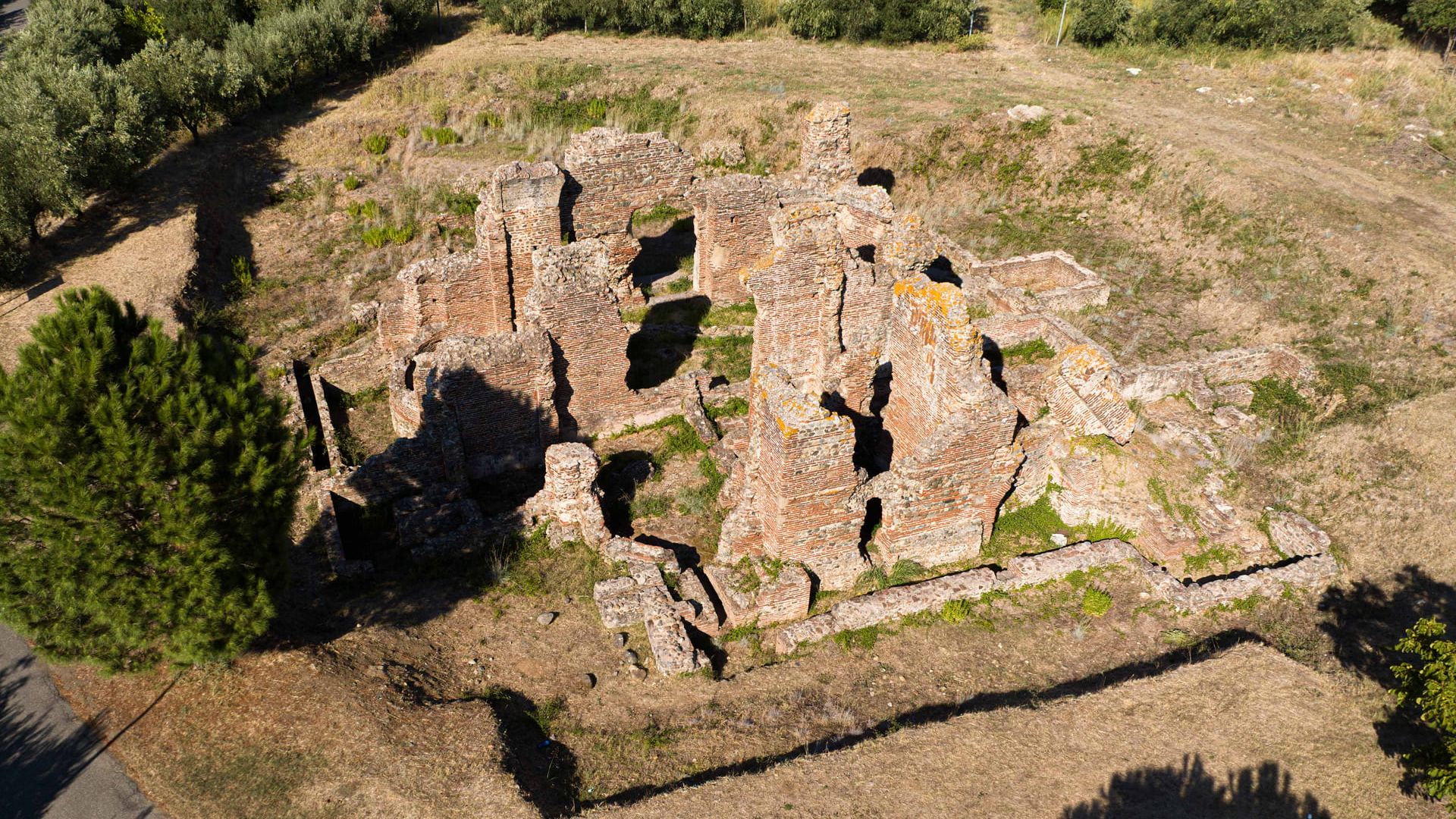
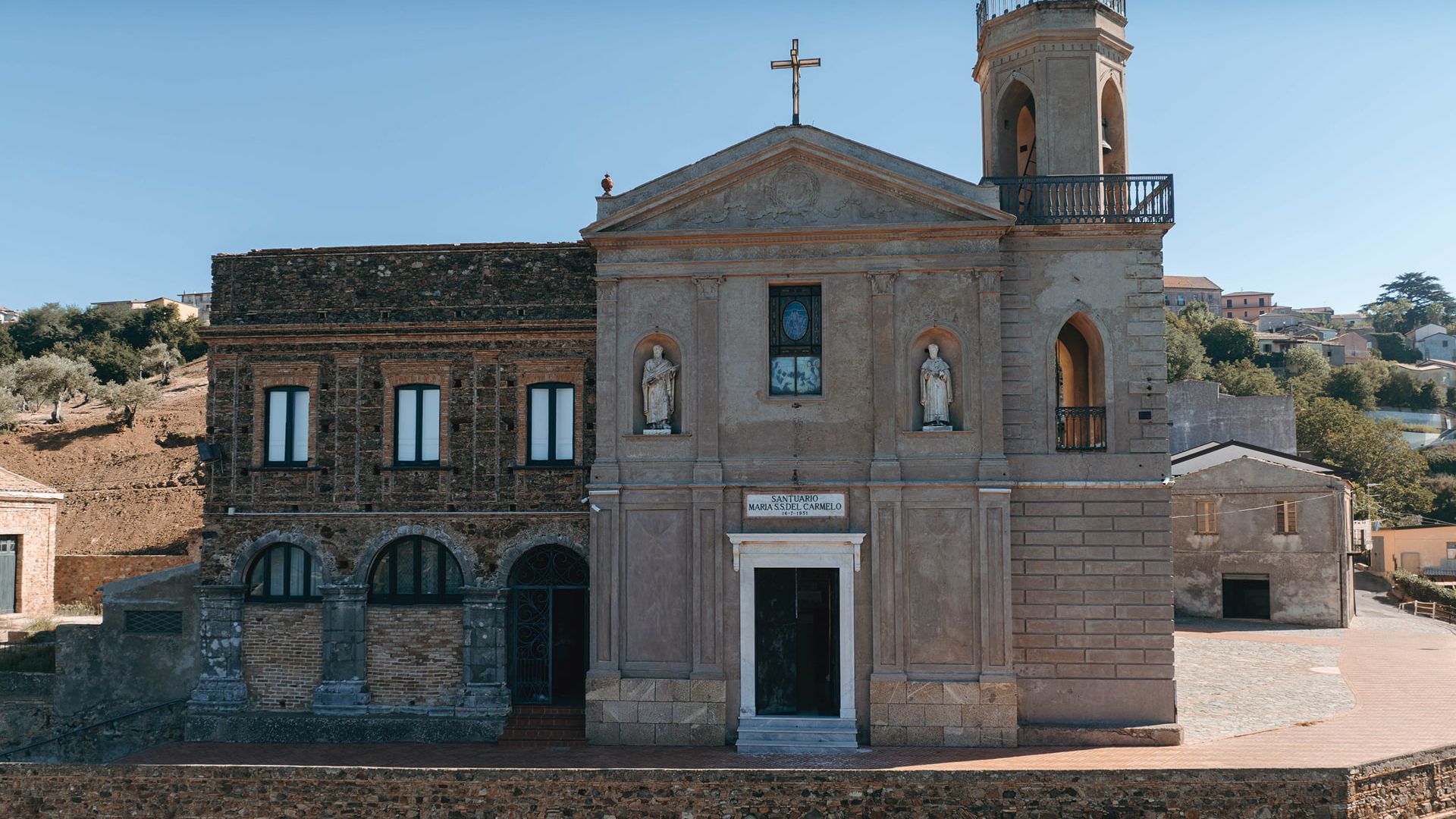
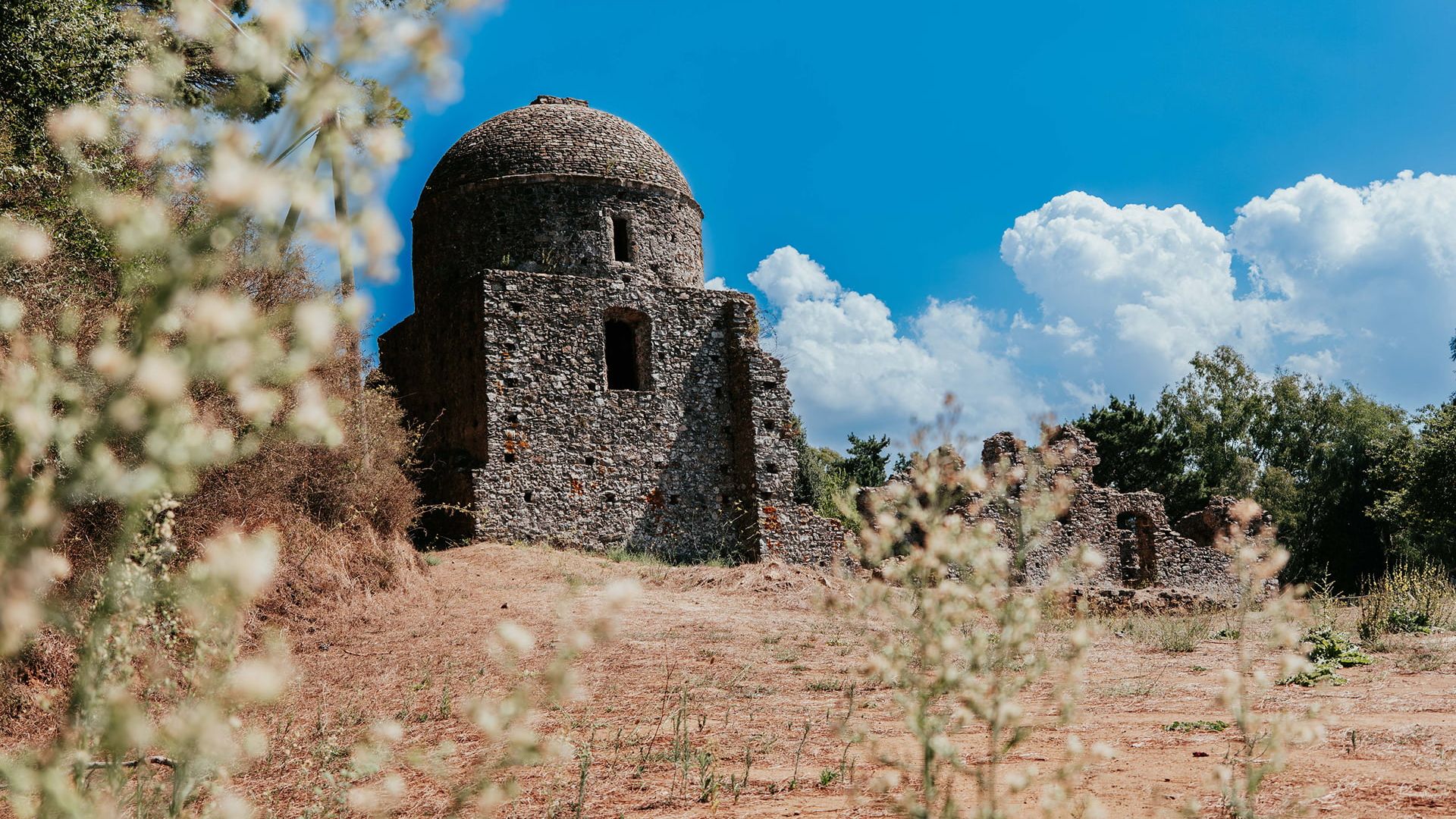
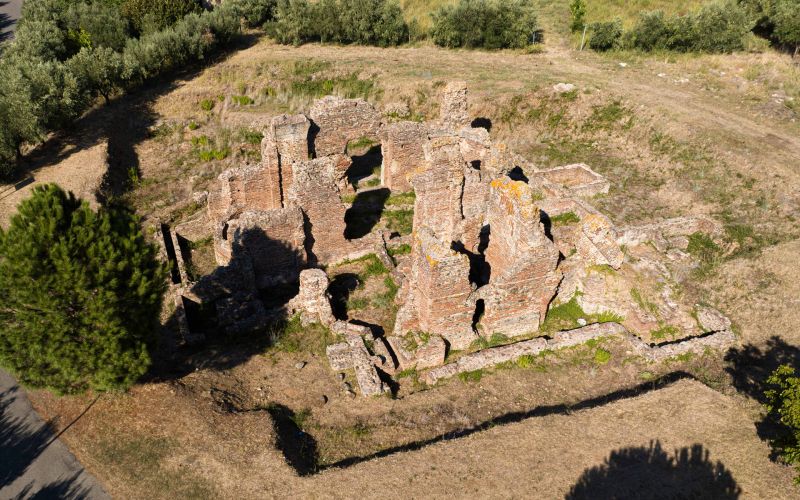
First, follow the signs across the Acconia Plain, amidst the remains of the ancient Neolithic settlement and the structures of the Roman Baths; then, look for them in the historic center—among the churches, alleys, and homes of the families who shaped the life of the community; and finally, climb up towards the mountains to the monastery of Sant’Elia Vecchio, where the area’s religious history is revealed through one of its most fascinating landmarks. 18. The landscape
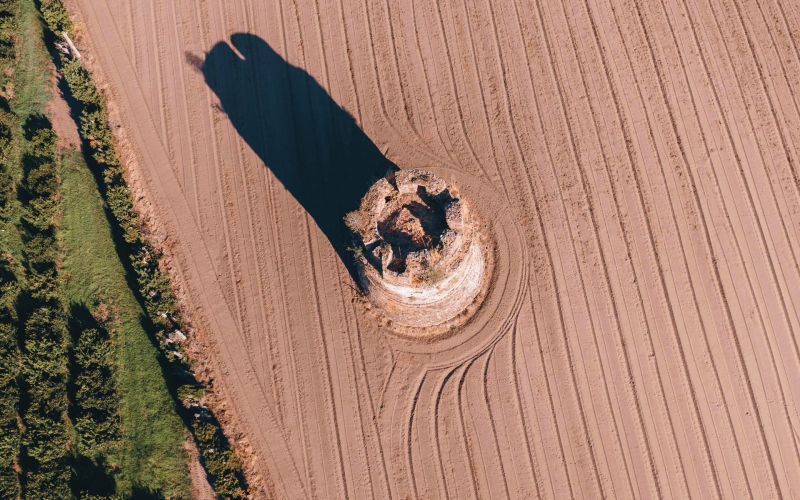
All this evokes the image of Curinga’s hillside setting—close to the Preserre Vibonesi mountains, dominated by Mount Contessa—and its magnificent view over the Lamezia Plain and the entire arc of the Gulf of Sant’Eufemia. This area is ideally framed by the mouths of three rivers: the Savuto to the north, the Amato in the center, and the Angitola to the south. It features a lush coastline with a dense pine forest stretching as far as the Torre di Mezzapraia (in the Torrevecchia locality), where it gives way to a eucalyptus grove and the Rollo wetlands—an area recognized for its naturalistic value.
It is a landscape shaped by nature, time, and humanity—traces of which remain clearly visible.
The plain preserves the memory of the ancient world; The country recounts the formation of the modern community through its civil and religious architecture; The mountain, on the other hand, maintains the testimonies of the Italo-Greek and Carmelite monastic presence.
Research by archaeologist Francesco Cuteri plays a key role in interpreting this territory; he has studied various aspects of the area’s archaeological and architectural history, focusing particularly on the hermitage of Sant’Elia Vecchio. Excavations conducted in the 1990s revealed the complex’s layout and allowed for the reconstruction of its various phases, providing new insights into the history of the monastery and the Carmelite presence in Curinga. 36. The Cult of Elijah
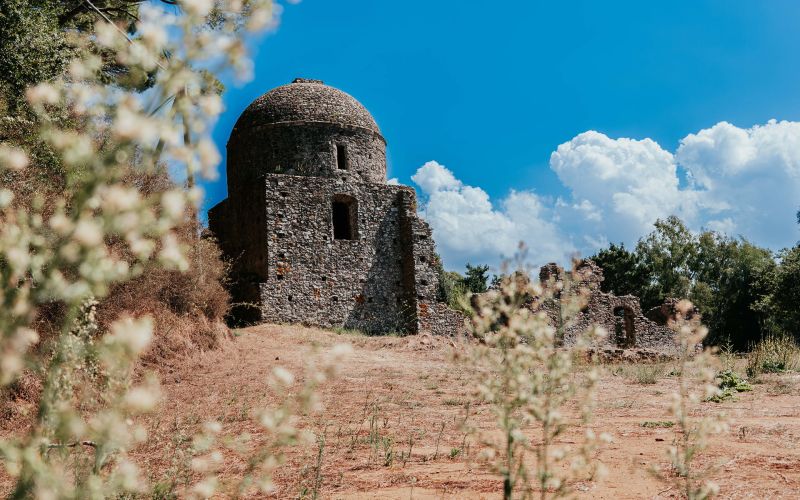
Sant’Elia, however, is not an isolated episode. Its story acquires meaning if it is inserted in the broader history of the territory. The chapel dedicated to the Prophet, the water source, the structure of the monastery and the relationship with the mountain landscape refer in fact to a religious tradition in which the cult of Elijah occupies a particular place. The same perspective allows us to look at Acconia. First in the Neolithic village discovered on the dunes of Acquania and then, above all, at the Roman baths which not only represent a monumental testimony, but document the presence of a settlement inserted in the economic and territorial system of ancient Calabria. This is how Curinga's story precedes the formation of the current town by many centuries.
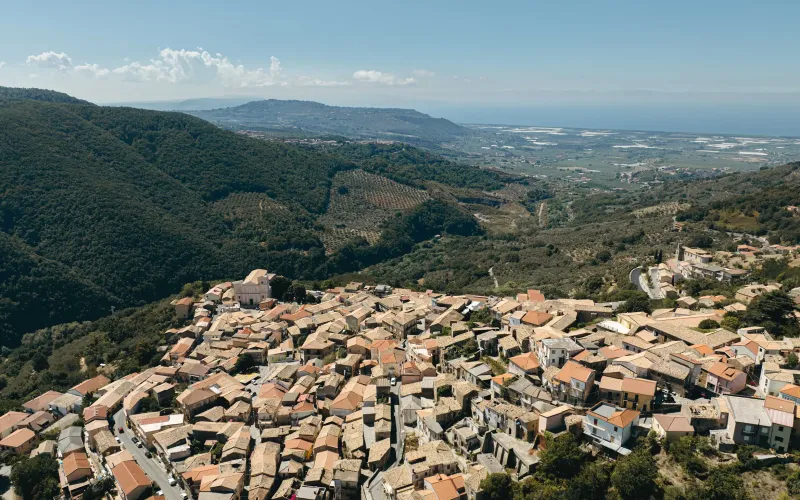
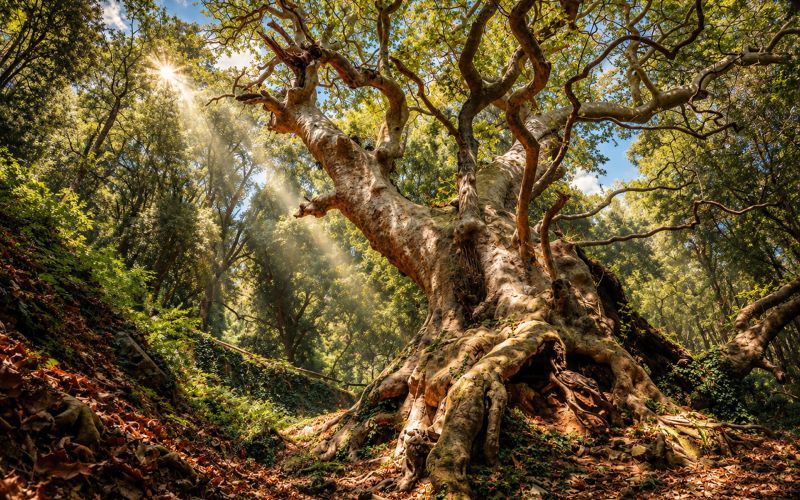
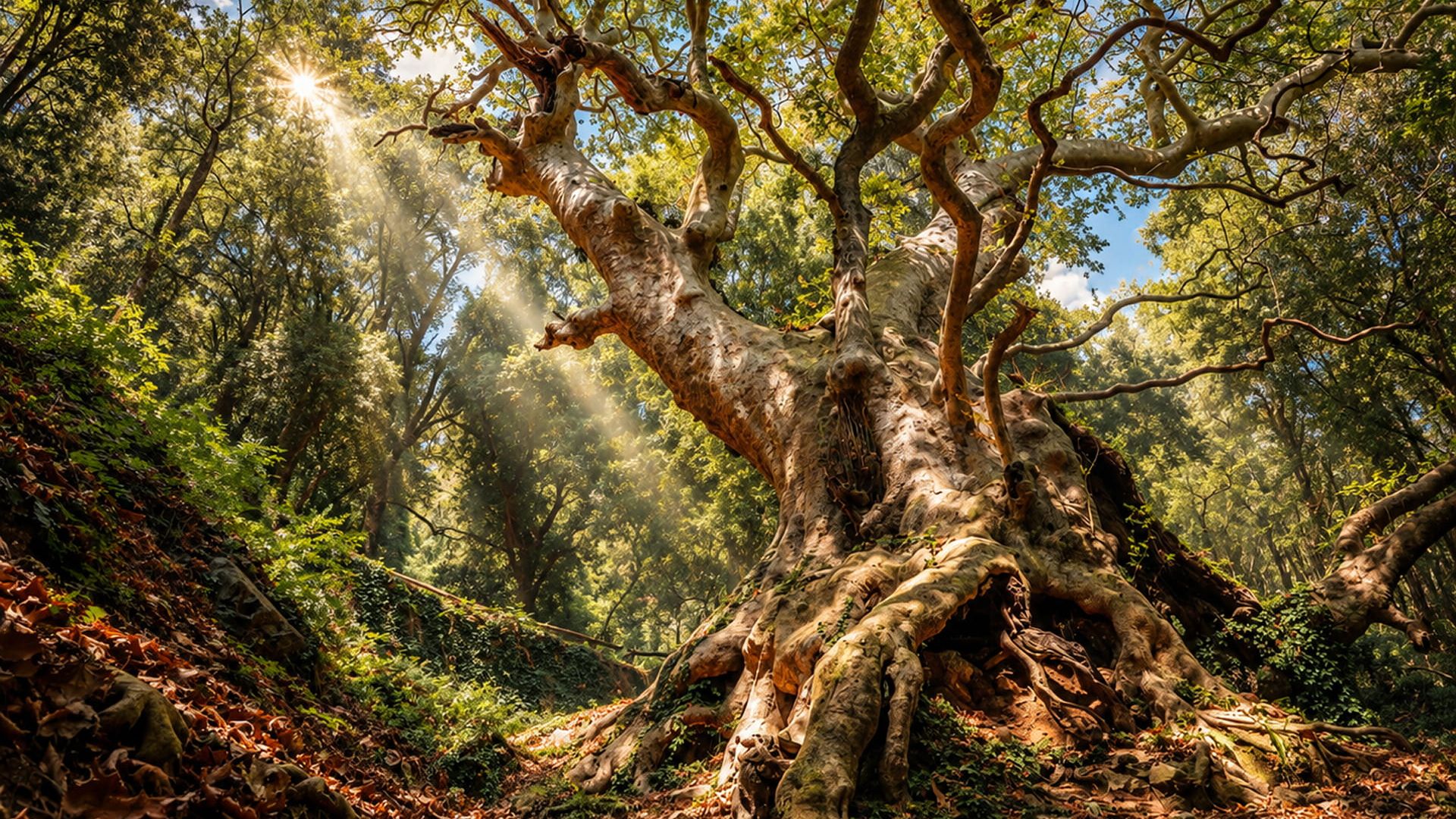
In the historic center, the story becomes that of the palaces, churches, portals and coats of arms, and the plot of the alleys where the community has taken root. The residences of the most important families narrate not only the taste and architecture of the different eras, but also the social and economic role of their owners. The churches, in turn, make us appreciate the religious sentiment of the community and, of course, the transformations that the country has known. Curinga is a place constituted From a set of symbols, one of which is the natural wonder of the great plane tree. Its presence belongs to a different dimension from that of architecture, but it helps to define the same territory and gives an even more particular measure of time: alongside the stones that men have built and transformed, a living organism continues to grow and be part of the memory of the place.